Roof Replacement
Renew a worn or broadly damaged roof, including the layers and details beneath the visible covering.
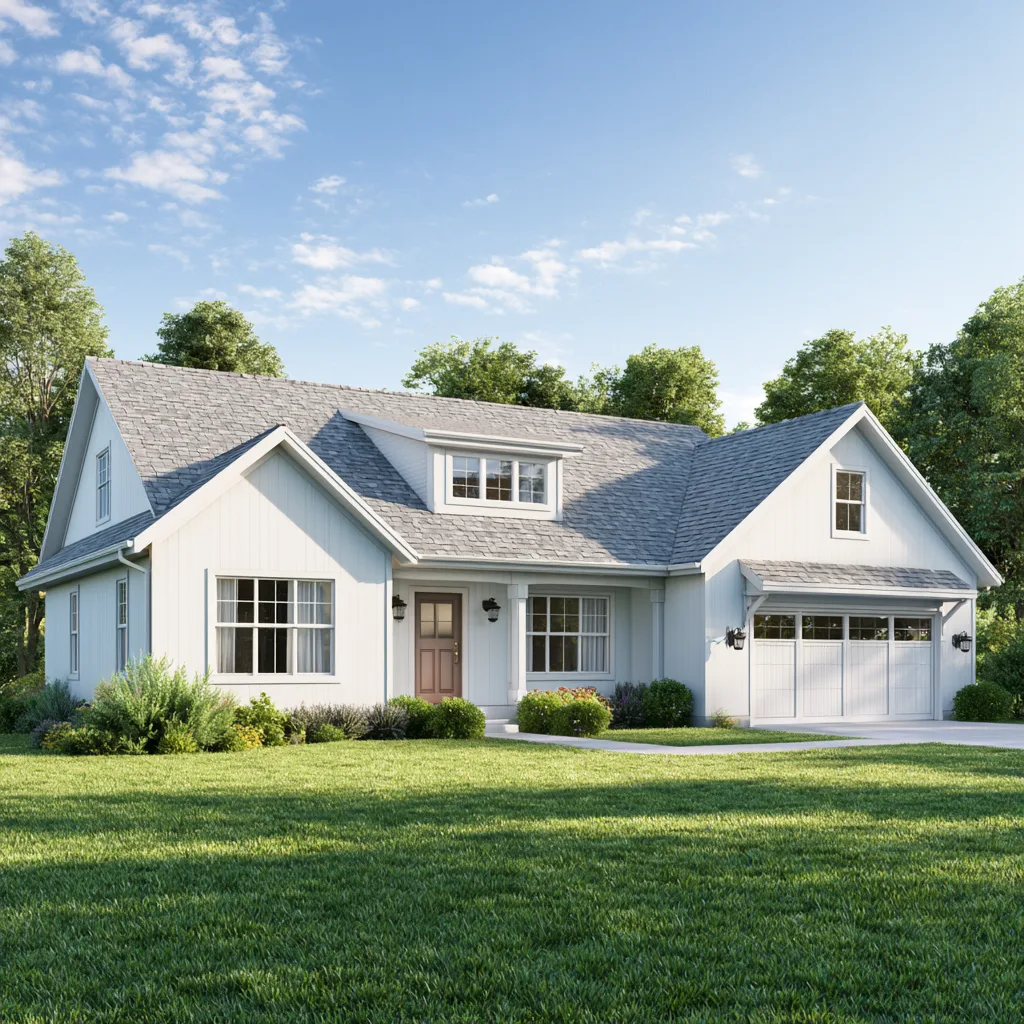
A roof leak, loose shingles or a tired covering needs a clear next step. Tell Jones Roof Pros what you have noticed and request a free inspection for your home, detached building or commercial roof.
Call about your roof (405) 925-0932
Water in a bedroom and worn shingles on a detached garage are different roofing questions. We help you work through the roof that is causing trouble, the condition around it and the work that makes sense for that building. A sound repair starts with the water path, not just the mark on the ceiling.
For a house, porch or outbuilding, the covering, roof slope and connections all matter. The roofer checks how shingles or panels meet valleys, walls, vents and edges. A separate building receives its own assessment, so one worn roof does not automatically turn every roof on the property into a replacement.
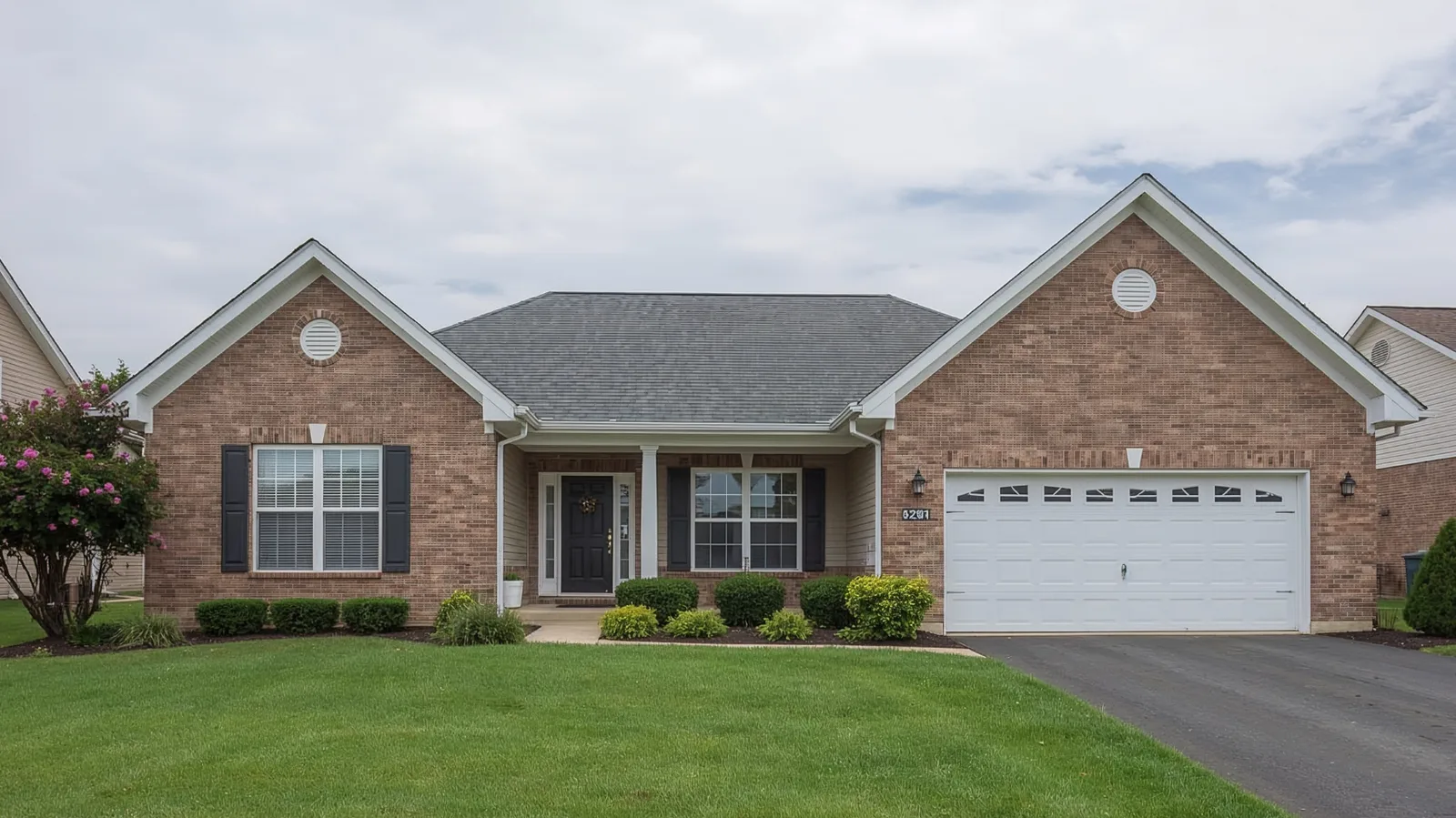
Start with the concern you need solved. A free inspection helps define the work before repair, replacement or a different system is selected.
Renew a worn or broadly damaged roof, including the layers and details beneath the visible covering.
Restore an isolated defect when surrounding material and the underlying roof can support a durable repair.
Get the condition checked when you have a leak, storm concern or uncertainty about remaining service life.
Review seams, curbs, drainage and roof layers on a low-slope building.
The size of the stain alone does not settle the decision. The important distinction is whether the failure can be isolated while leaving a dependable roof around the repair.
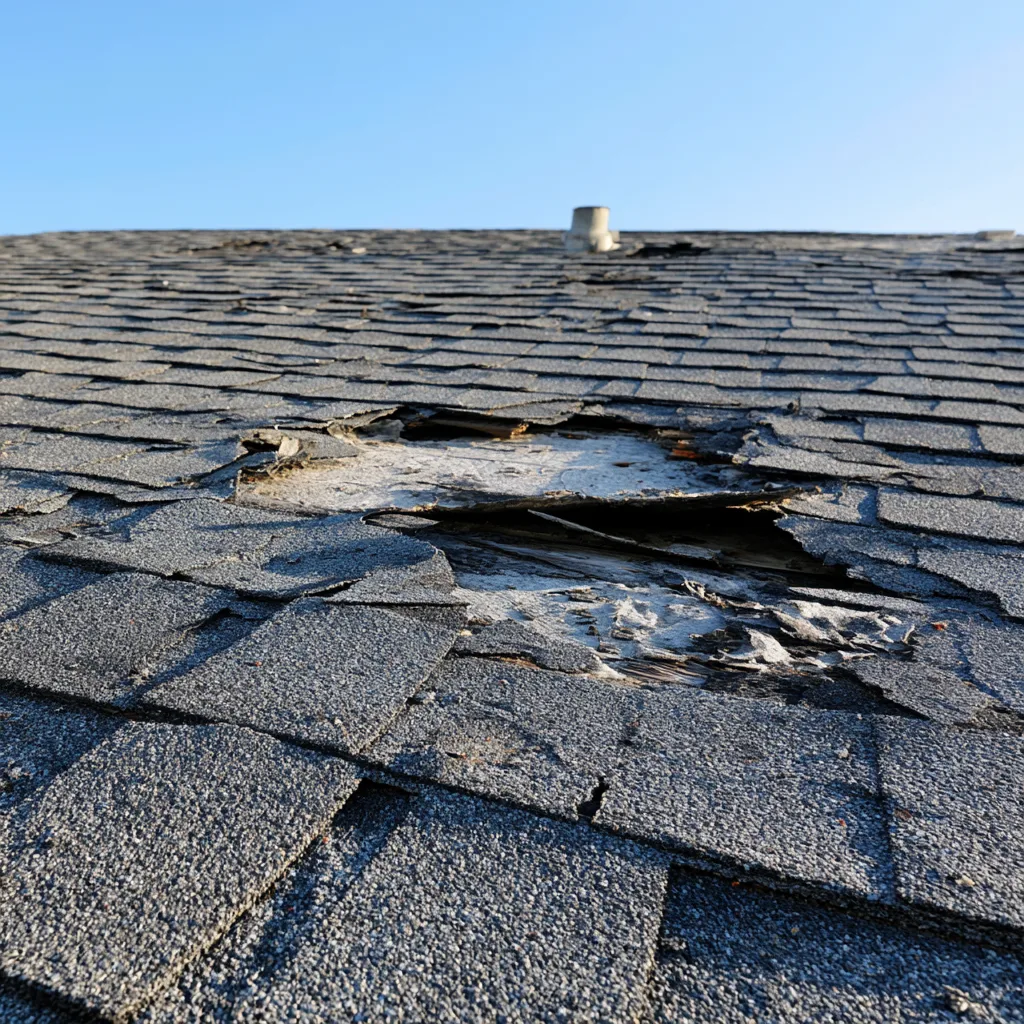
A damaged shingle, split penetration flashing or a localized roof-to-wall defect can call for focused work. The repair extends far enough to reconnect the water-shedding layers and address any localized damaged decking.
The surrounding shingles need to tolerate lifting and fastening. If those shingles break as the repair expands, the practical scope changes.
Explore roof repairReplacement becomes the better conversation when wear, repeated leaks or damage affects more of the assembly than a sound localized repair can resolve. Tear-off exposes the deck and allows underlayment, flashing and edge details to be integrated.
A different material is a system decision too. Weight, slope, fastening and the transition to other roof areas are checked before the choice is made.
Explore roof replacementThe best choice starts with the roof shape and building use. Appearance matters, but the assembly has to drain water and connect properly at its edges.
| Roof type | Useful choice | What changes the work |
|---|---|---|
| Architectural asphalt shingles | Useful choiceLayered appearance on a suitable sloped roof, with individual shingle repairs where the material remains workable. | What changes the workDeck condition, underlayment, flashing, ventilation and matching matter alongside the shingle. |
| Metal roofing | Useful choicePanel systems for a house or detached building where the slope and substrate suit the product. | What changes the workExposed-fastener and concealed-fastener systems use different details. Panel movement, transitions and condensation control need a system-specific approach. |
| Low-slope roof | Useful choiceMembranes or an eligible restoration system for roofs where shingles do not suit the slope. | What changes the workSeams, roof drains, curbs and moisture below the covering shape repair or replacement. |
For a 2,000-square-foot measured roof surface, the Oklahoma/OKC-area architectural asphalt planning example is $9,000 to $15,000. It assumes one existing layer, normal access, moderate complexity and usable decking.
Roof surface includes sloped planes, porches, overhangs and garages being covered. Interior floor area alone leaves out important roofing area.
Extra layers, soft decking and damaged transitions add work that cannot be resolved by choosing a different shingle color.
Valleys, walls, steep pitches, equipment and limited staging space affect labor and protection. Metal and commercial systems need their own pricing basis.
Wind can lift or crease shingles, and debris can leave an opening through the covering. After hail, the roof needs a close look at the shingles, vents and flashing. We inspect the affected area and the roof around it to distinguish a local repair from broader damage or existing wear.
If water is entering now, say so when you call. Stay off the roof and keep clear of sagging ceilings or wet electrical fixtures. Temporary protection limits further exposure when conditions and safe access allow; it is the first step toward the lasting repair, rather than the finished roofing work.
The permanent work restores the damaged covering and its connections to sound decking, underlayment and flashing. A replacement becomes relevant when the damage or deterioration extends beyond a repairable area. Weather records help explain an event, but they do not establish damage at your address.
A leak over a work area or stockroom needs an answer tied to the roof system. We look at seams, curbs, edges and drainage, then consider the layers underneath. Equipment access, loading areas and the building in use belong in the work plan.
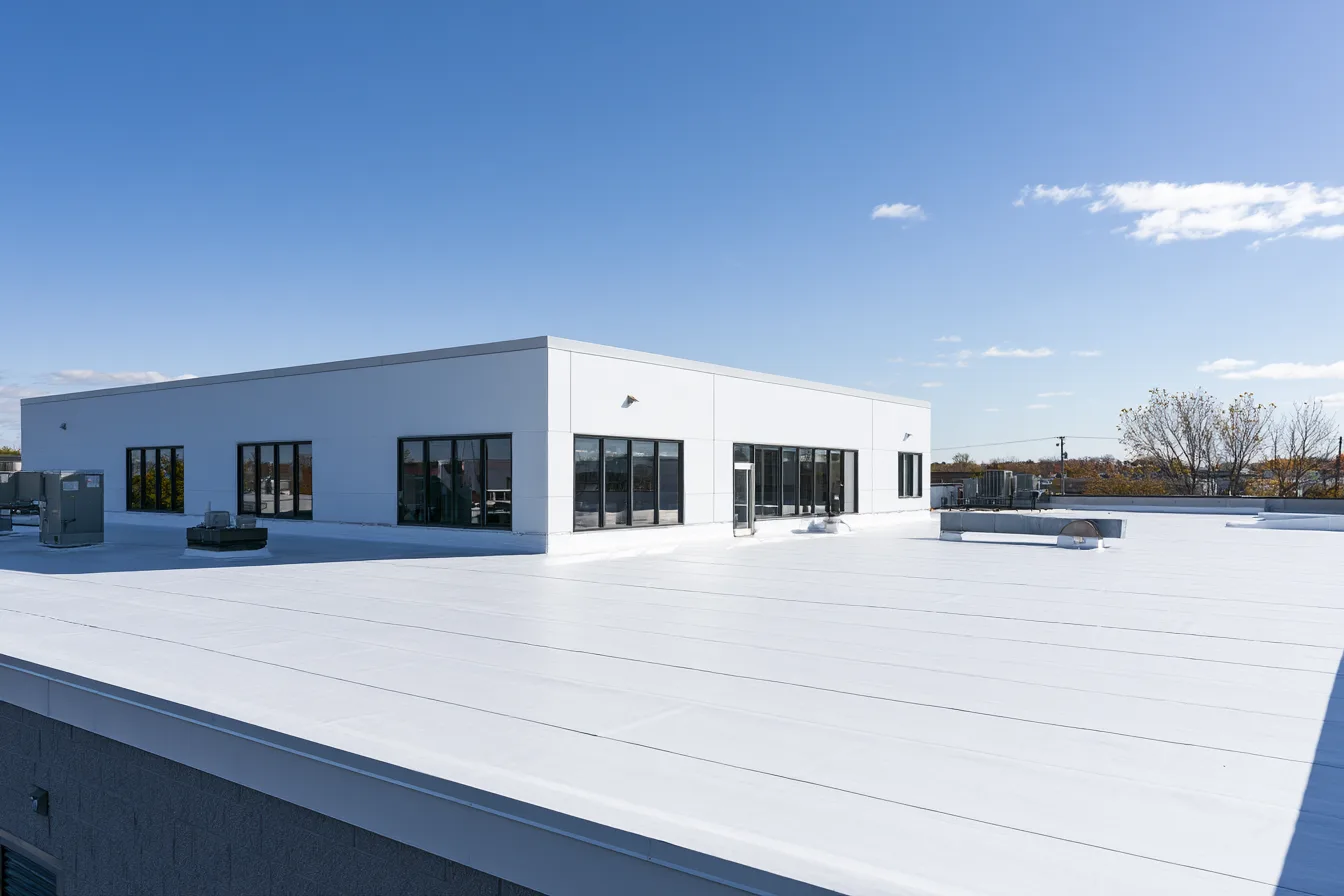
A puncture, open seam or failed curb detail can receive a compatible repair when the surrounding membrane and underlying layers remain sound. Wet insulation or damage beyond that boundary widens the work.
A coating needs an eligible, dry and well-attached roof, with defects repaired and the surface prepared for the selected system. It cannot repair saturated insulation or create drainage slope.
Repeated failures, widespread wet layers or a worn roof that cannot support local work call for replacement planning. Removal, insulation, deck condition, drainage and equipment transitions are considered together.
Yes. The house and each detached building can have different materials, damage and remaining serviceability. Each roof needs its own measured scope and connections checked.
No. A defined defect in a repairable roof can often be addressed with roof repair work. Widespread deterioration or surrounding material that cannot survive the repair changes that answer.
Yes. Tell us where the property is and what you have noticed. The roof can be walked when access and conditions allow, with the findings used to discuss the next roofing step.
Start with the property and the problem. Request a free inspection for a leak, storm concern, replacement or commercial roof question.